





![Instruo tanh[3]](http://tstudio.lv/cdn/shop/files/tanh3.jpg?v=1757648961&width=324)



![Instruo 2[f]](http://tstudio.lv/cdn/shop/files/2f.webp?v=1757648950&width=1000)
![Instruo 1[f]](http://tstudio.lv/cdn/shop/files/1f.jpg?v=1757648946&width=155)



Modular Synths & Eurorack Modules — build a system that matches your sound
Modular synthesis is the most flexible way to design an instrument around your workflow. Instead of buying one fixed synthesizer, you build a custom signal path using individual Eurorack modules: oscillators, filters, VCAs, envelopes, modulation sources, sequencers, effects, utilities and performance tools. Patch cables turn your rack into a living system where sound can be rerouted, reshaped and reimagined in seconds — perfect for producers, DJs, sound designers and anyone who wants truly original tones and movement.
This category focuses on modular synth gear and supporting modules that help you create a stable, playable, professional setup — from your first compact skiff to a full stage-ready case. We stock respected brands trusted by serious users: Erica Synths, Instruo, ALM, Doepfer, Intellijel, Make Noise, and Noise Engineering.
Who is modular gear for?
Modular is not just for experimentation — it’s a practical, powerful tool across many modern workflows:
- Producers chasing evolving textures, character basslines, expressive leads, and modulation that feels alive.
- Live performers & DJs who want hands-on control, improvisation, and real-time variation for techno, ambient, IDM and beyond.
- Sound designers working on film, games and media who need unique timbres, drones, impacts, glitches and motion.
- Musicians integrating modular with MIDI instruments, drum machines, samplers, guitars or vocals.
- Studio engineers using modular as a creative signal processor, tone generator, or experimental effects chain.
- Content creators building audio branding, intros/outros, and distinctive sonic identity.
Why high-quality modular modules matter
A modular system is only as strong as its weakest link. High-quality modules improve not only the sound, but also stability and usability. The difference shows up in:
- Tuning and tracking accuracy (reliable 1V/oct performance and consistent pitch stability).
- Low noise and clean signal paths, especially important when recording or using high-gain distortion and resonance.
- Predictable CV behavior with proper voltage ranges, stable clocks and solid trigger/gate handling.
- Better ergonomics — knobs, jacks and panel layouts that make performance faster and more intuitive.
- Long-term durability for patch-heavy use, studio sessions and touring.
How to choose the right modular equipment
Start with your musical goal. Do you want a rhythm-driven techno system, a melodic voice with expressive modulation, a drone/ambient machine, or a sound design laboratory? Your choices also depend on workflow: step-sequencing and clocked patterns vs. free-form patch improvisation.
Scenario 1: a first compact starter system. Build a balanced foundation: one or two sound sources (VCO or digital voice), a filter or wavefolder/waveshaper, at least one or two VCAs, envelopes, an LFO/modulation source, a simple clock/trigger tool, and essential utilities (attenuation, offset, mixing, multiples). Utilities often unlock more musical control than adding another “cool” voice module.
Scenario 2: rhythm and performance rack. Focus on drum voices, trigger/gate generation, sequencing, clock manipulation, logic and performance control (mute/fill/variation). This is where playability matters as much as raw sound.
Scenario 3: studio sound design & texture rack. Prioritize complex oscillators, wavetable/granular sources, resonators, high-quality filtering, CV recording, and effects (delay, reverb, distortion). Add strong external integration (MIDI/CV, line-level I/O) to move ideas into DAW sessions quickly.
Key features to compare
- Size and fit: module width (HP) and depth (critical for skiffs and compact cases).
- Power requirements: +12V / -12V / +5V consumption and total case headroom.
- Signal standards: audio/CV levels, gate vs. trigger behavior, and whether attenuation/offset is needed.
- Interface design: knob-per-function vs. menu systems; how fast it is to perform with.
- Modulation depth: number and range of CV inputs, FM/AM options, wavefolding, sync, random/logic.
- Clock and sync: internal clocking, reset behavior, and DAW/drum machine integration.
- Sound character: clean vs. gritty, analog warmth vs. digital precision, subtle vs. aggressive.
What the available brands bring to your rack
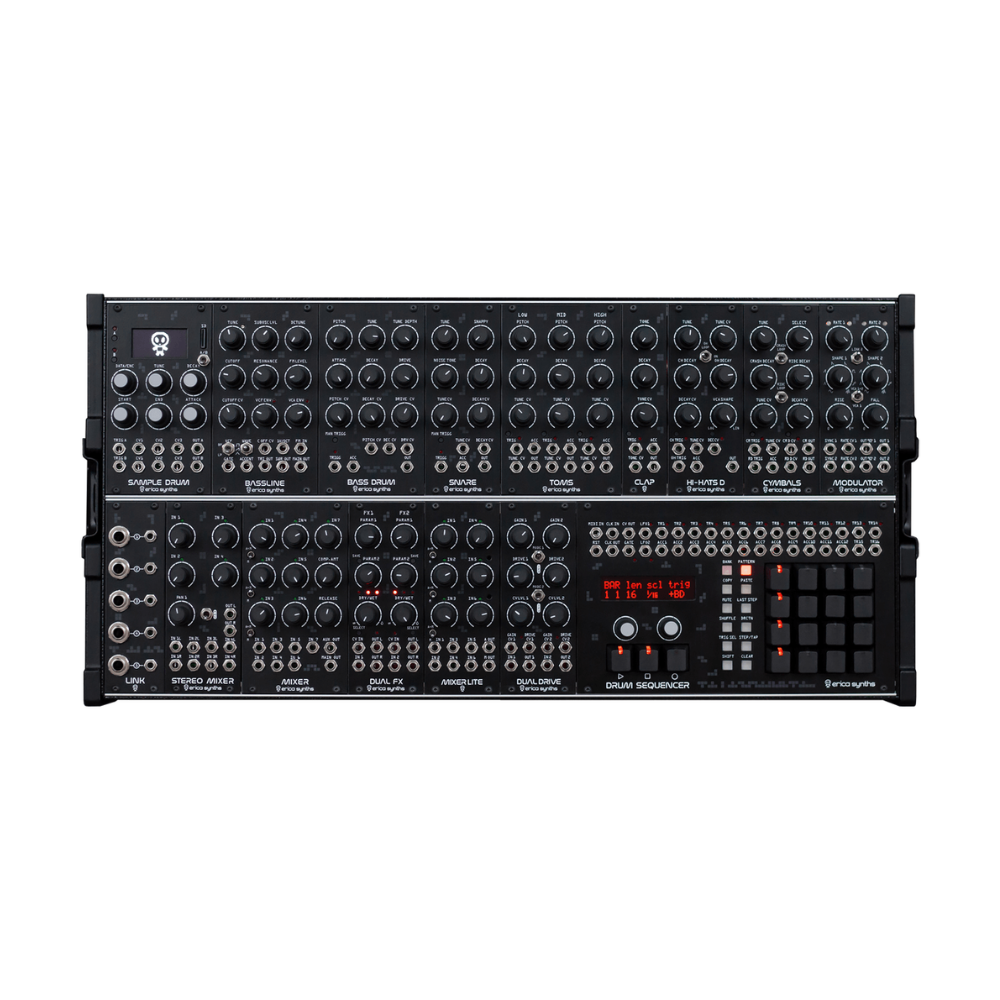
Erica Synths Our local modular beast, known for powerful tone, robust build quality and performance-ready design, Erica modules are widely used in techno, industrial, ambient and experimental setups where character and reliability matter.
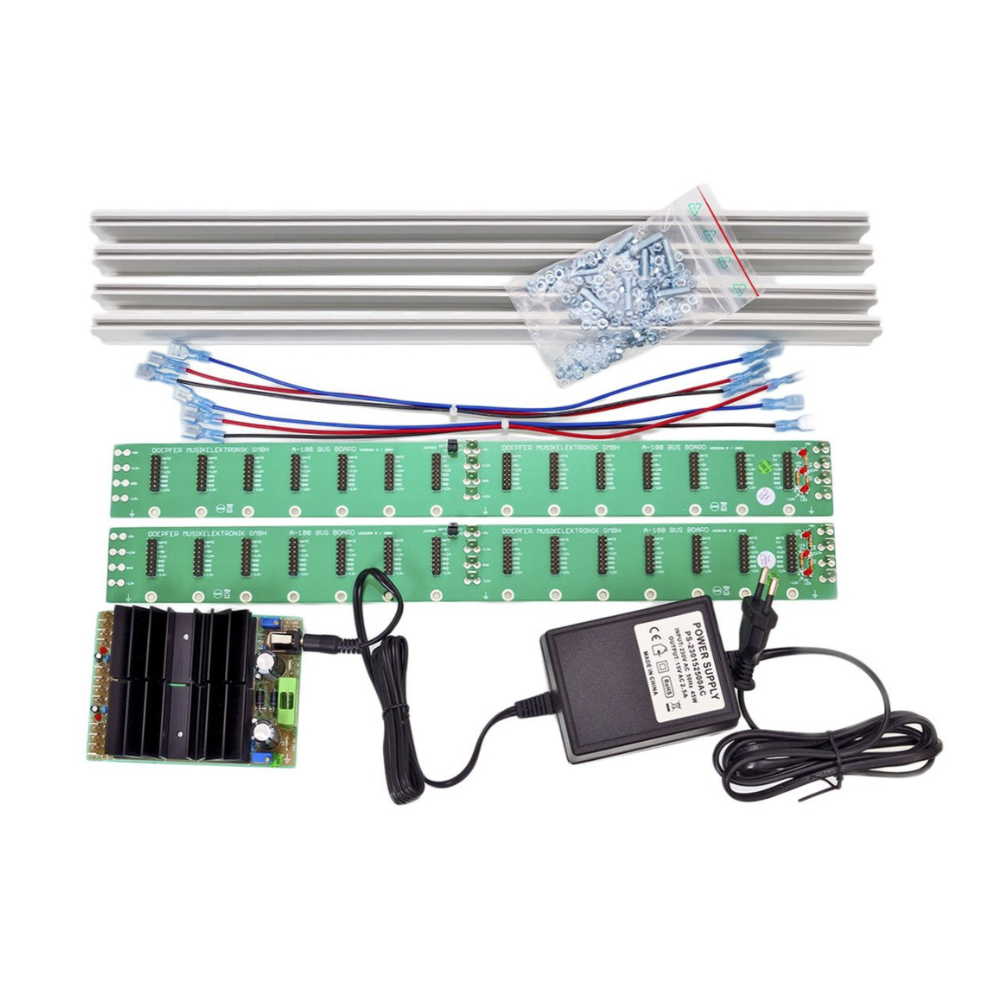
Doepfer is a cornerstone of Eurorack history and remains one of the best ways to build a functional, classic system. Their modules are ideal for users who want a logical, no-nonsense approach to synthesis and utilities.
Intellijel is recognized for clean engineering, excellent ergonomics and system-level thinking. Great for studio and stage setups where workflow, integration and precision are key.
Make Noise offers a creative, instrument-like philosophy that encourages exploration. These modules are often chosen by users who want non-linear patching, unique structures and expressive performance behavior.
ALM is a strong choice for clocking, rhythm utilities and practical modular building blocks — especially for groove-focused systems with tight sync and hands-on control.
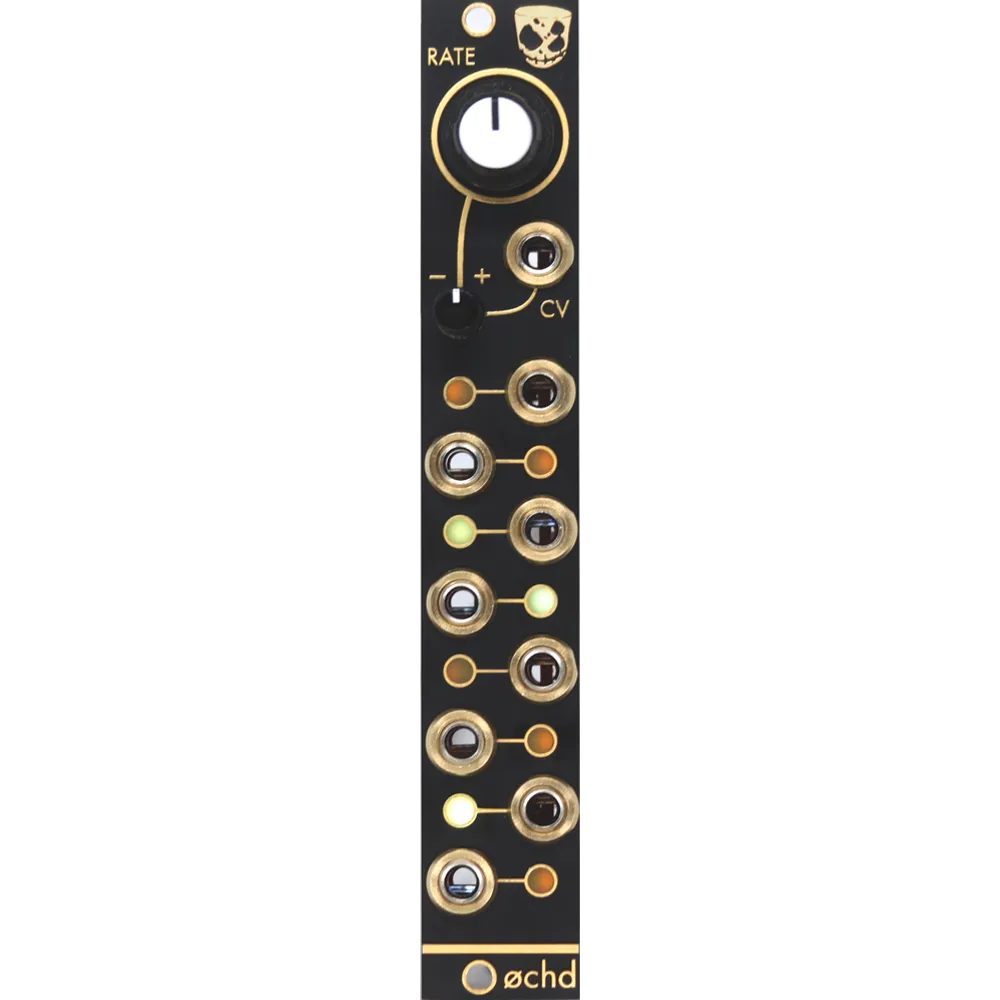
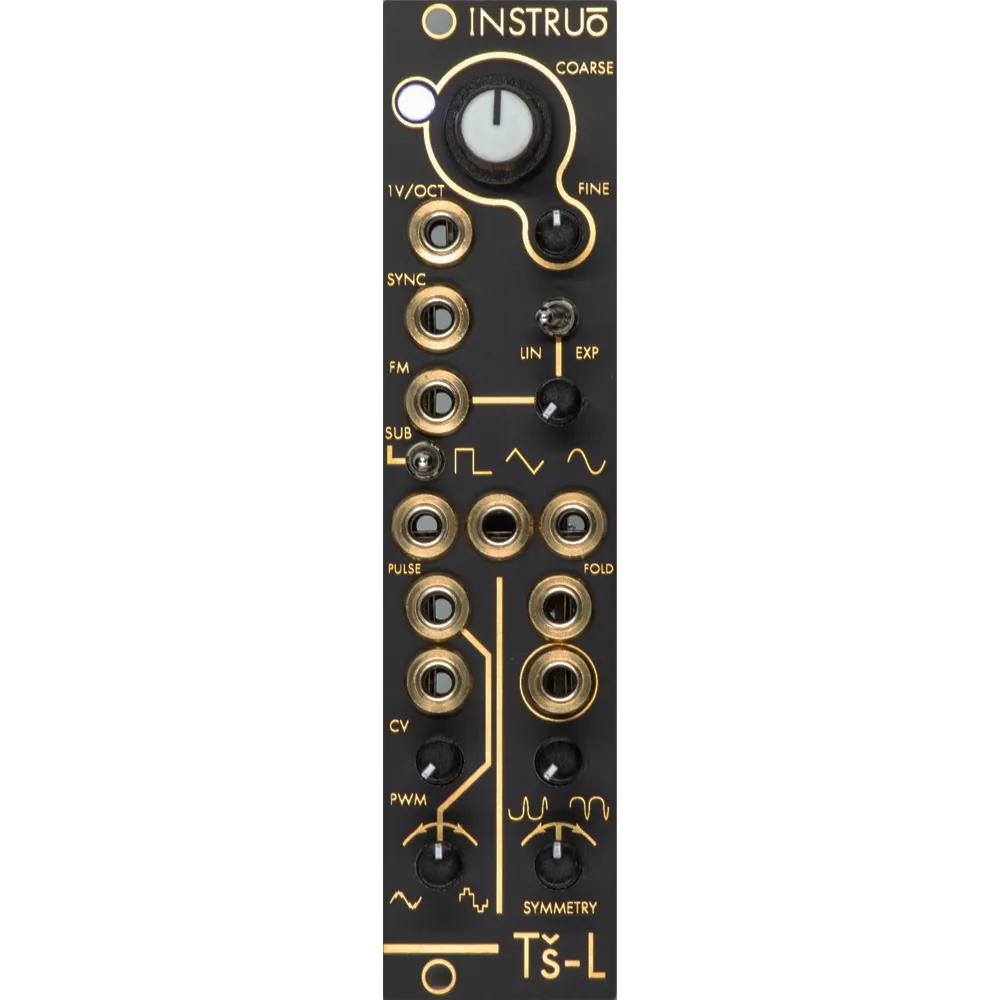
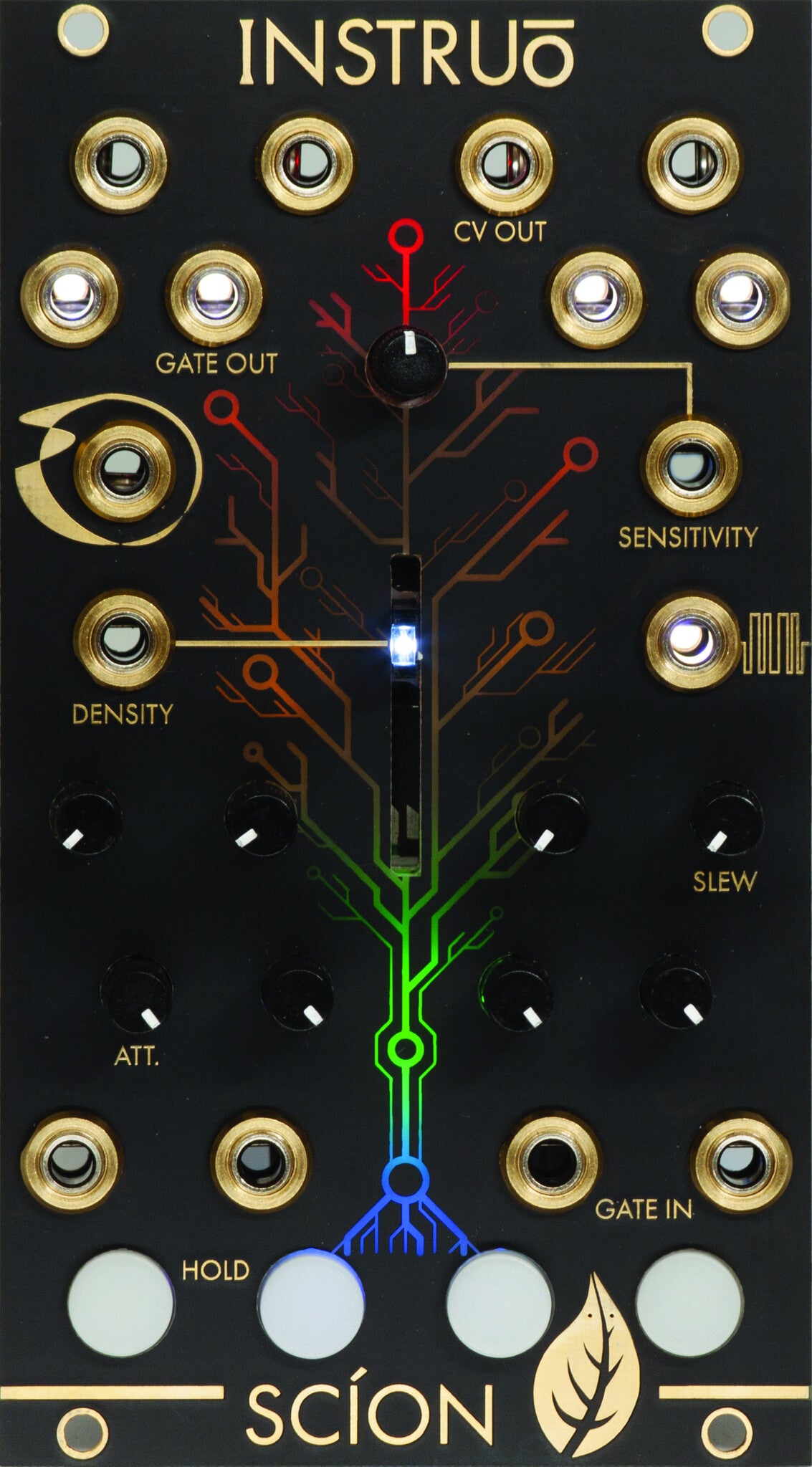
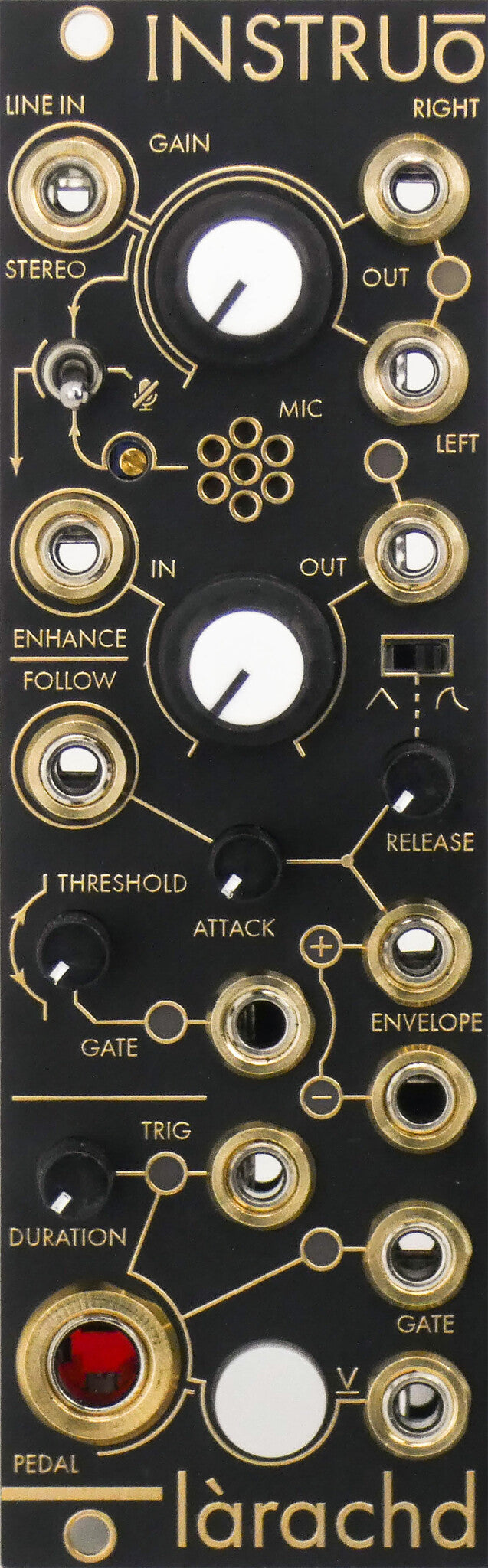
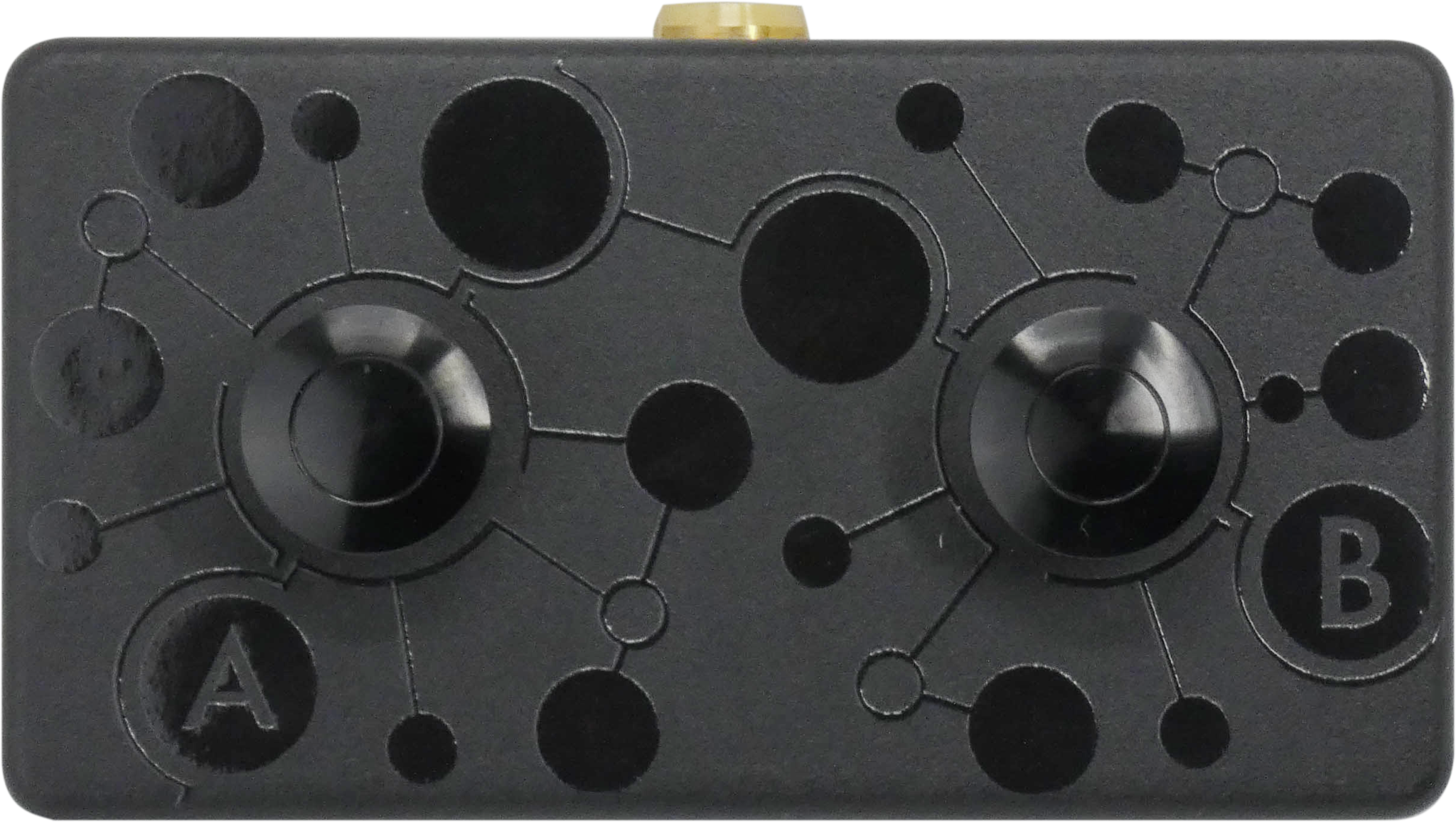
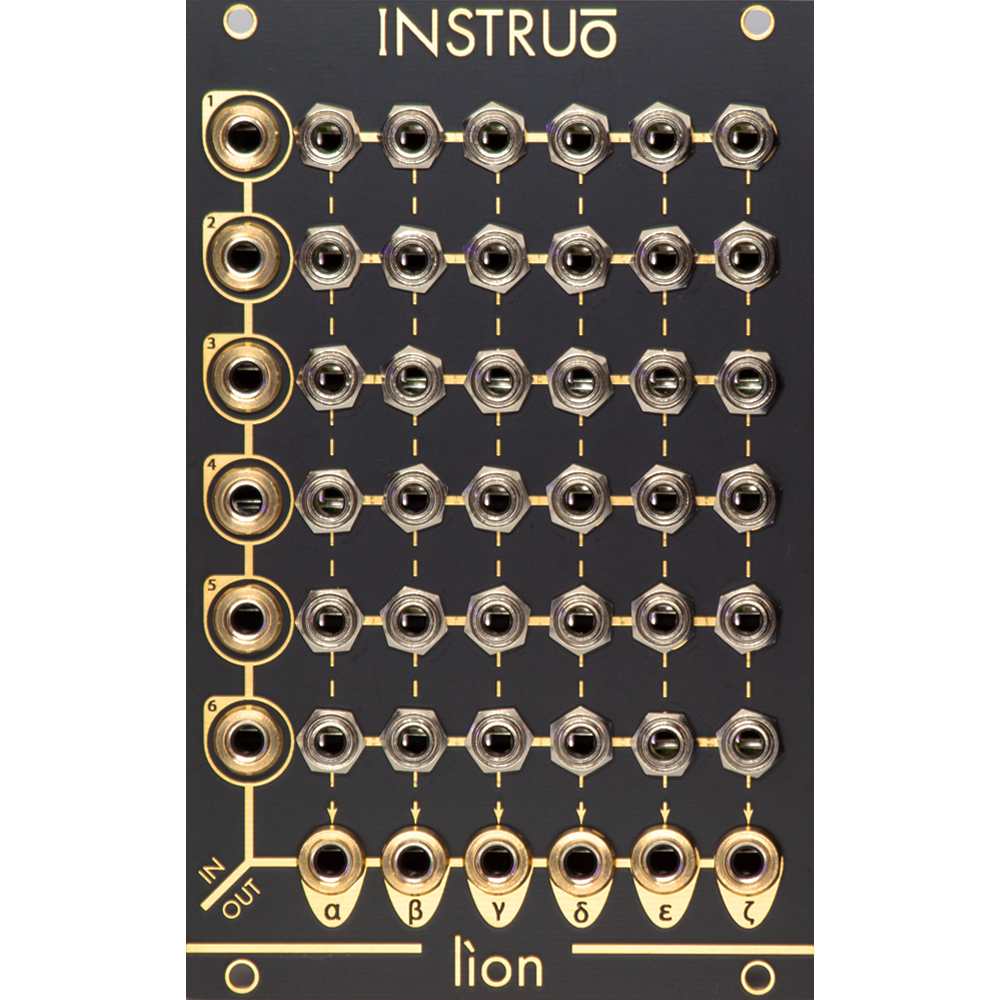
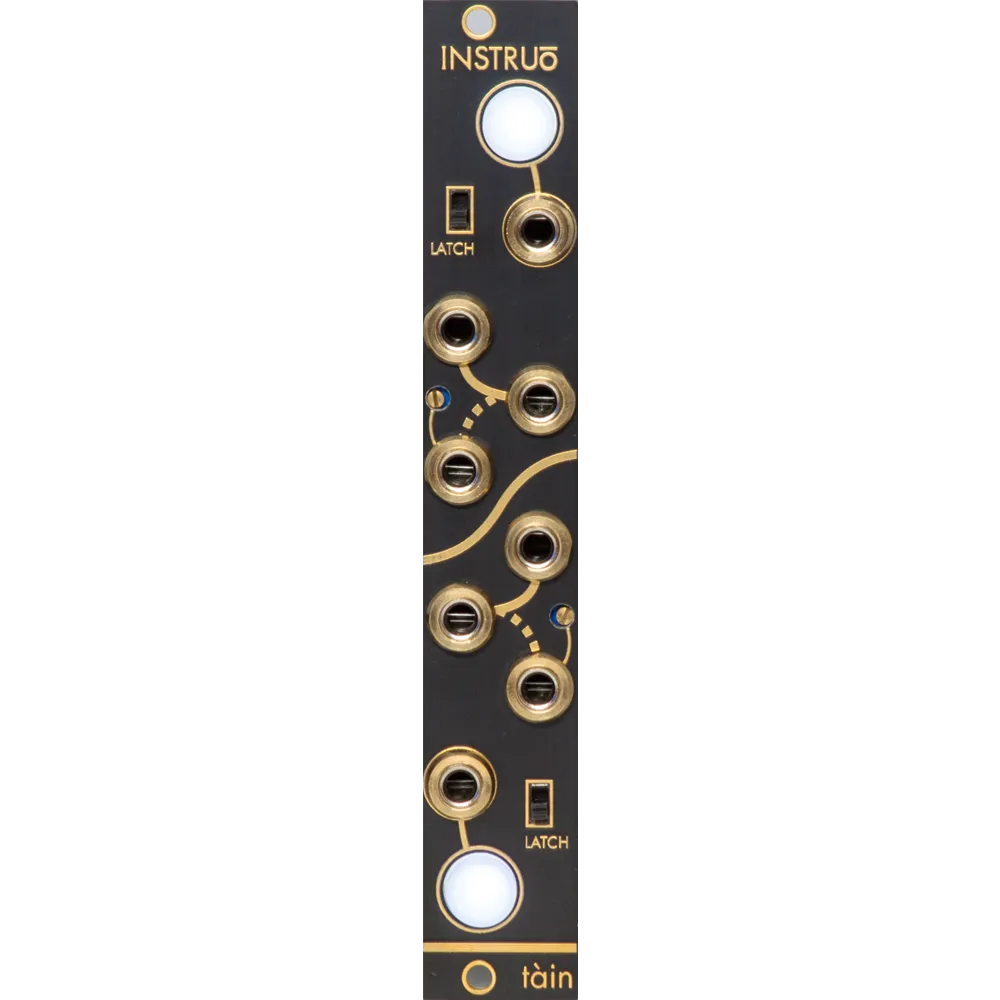
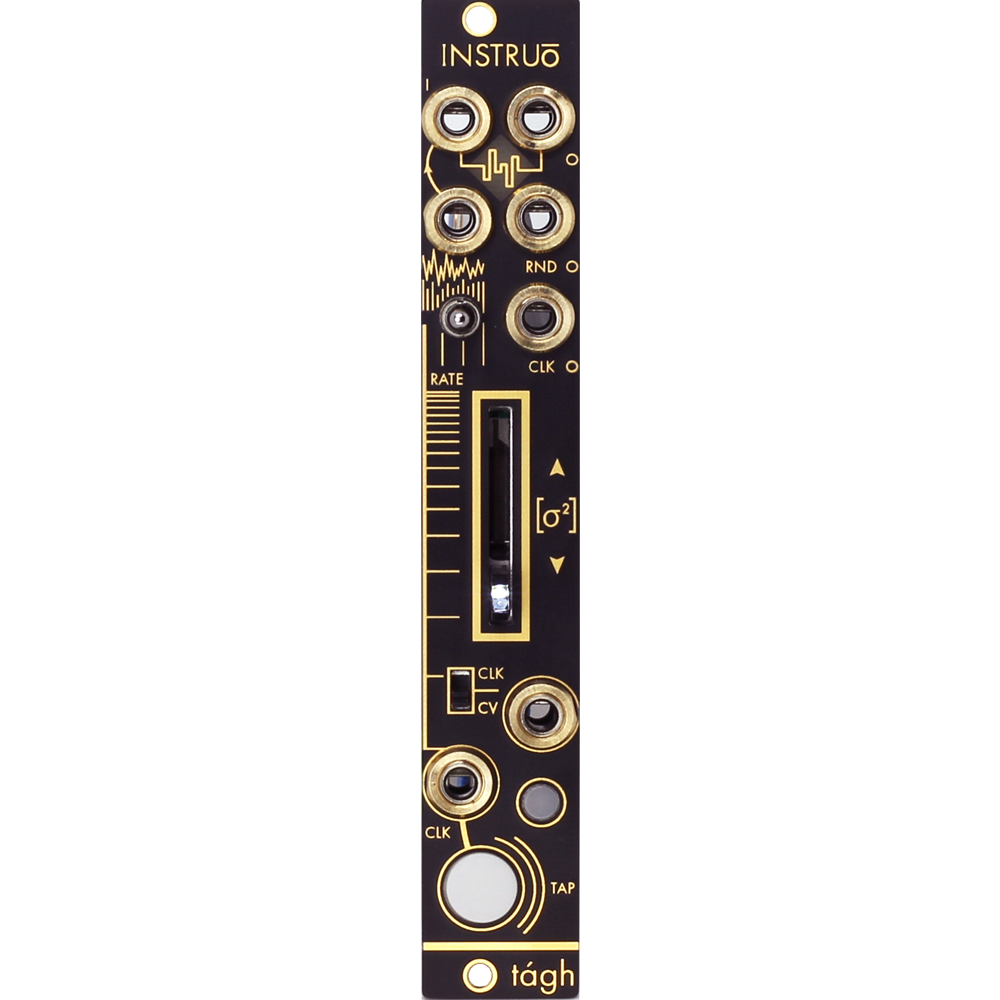
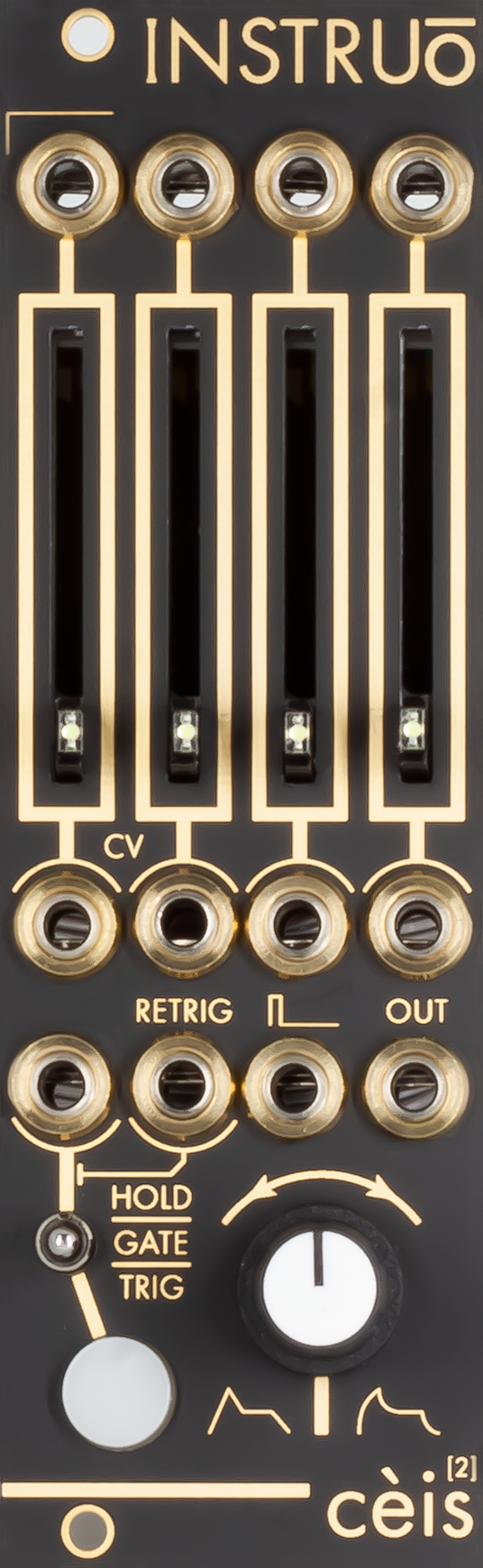
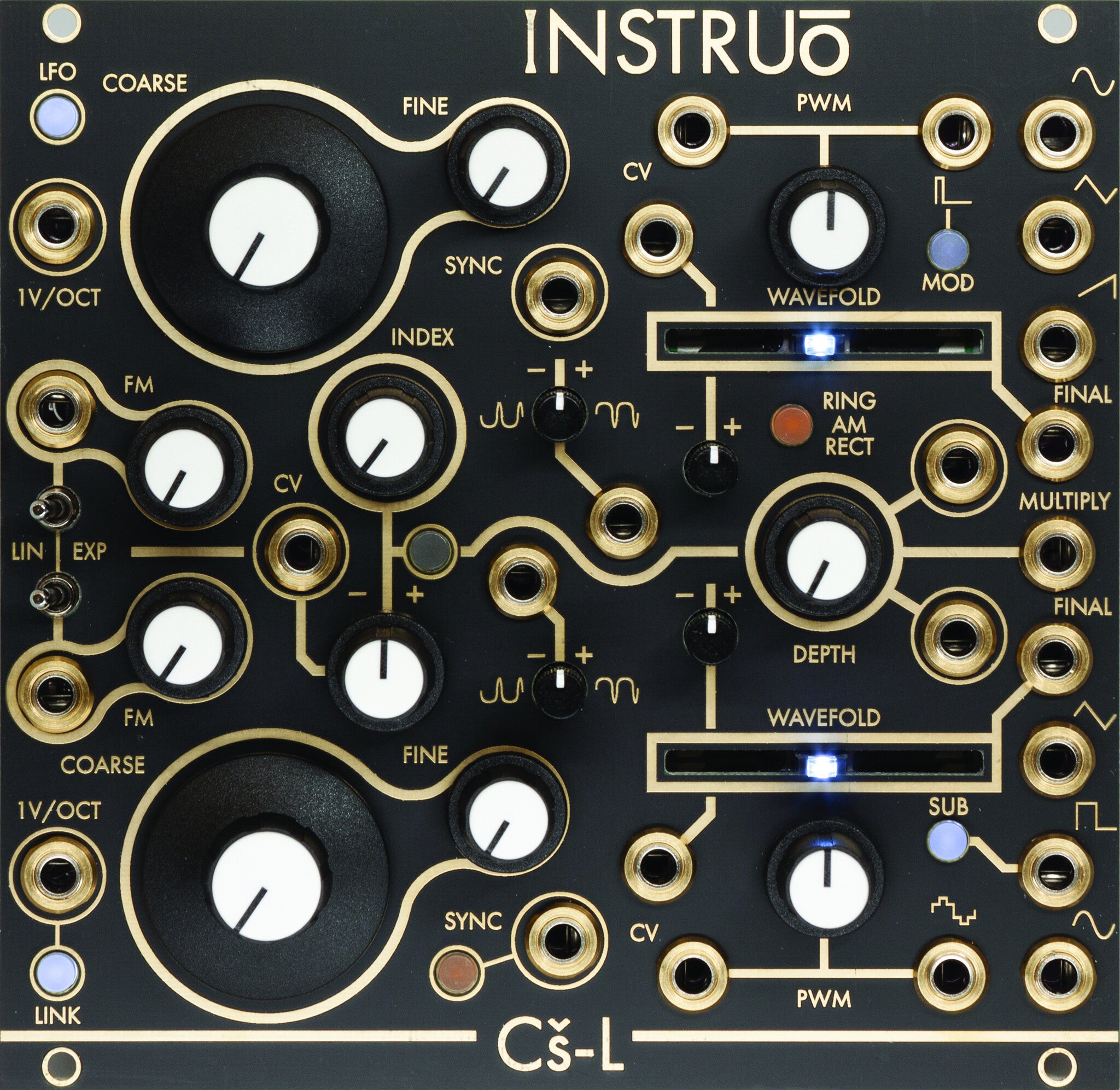
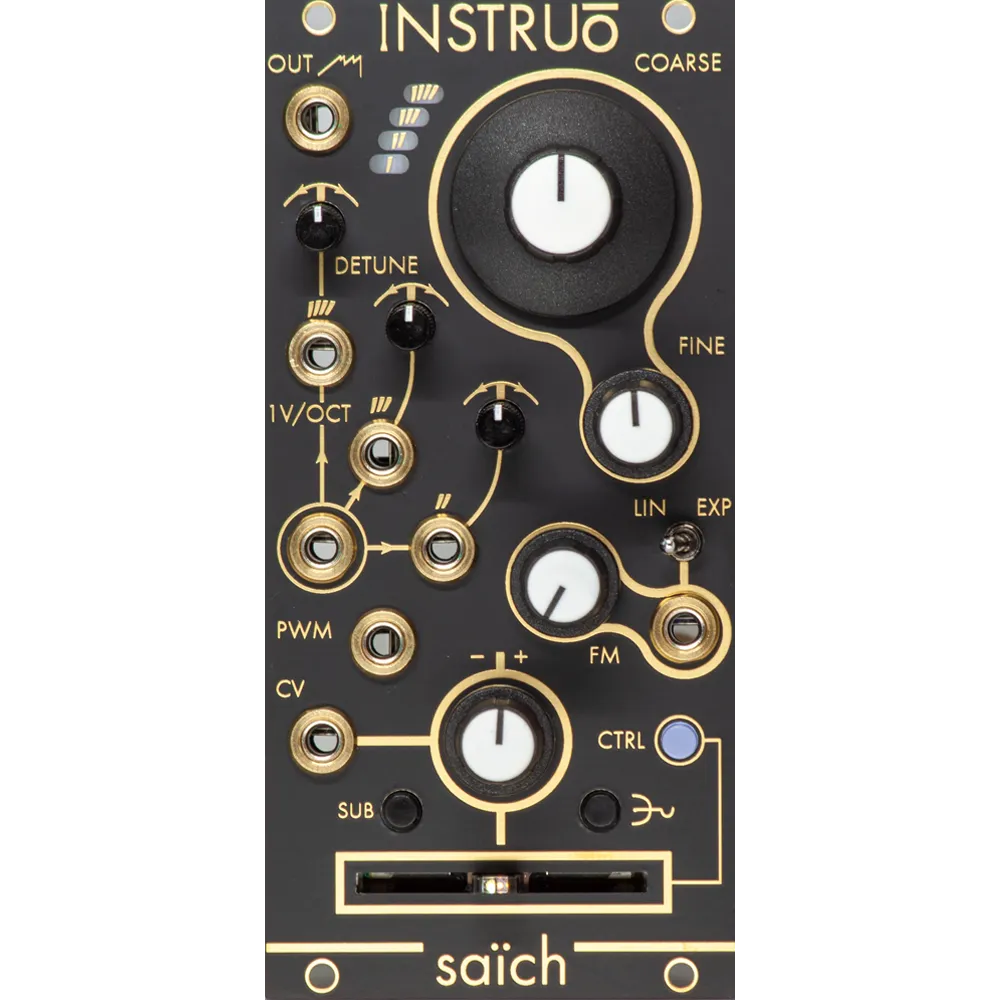
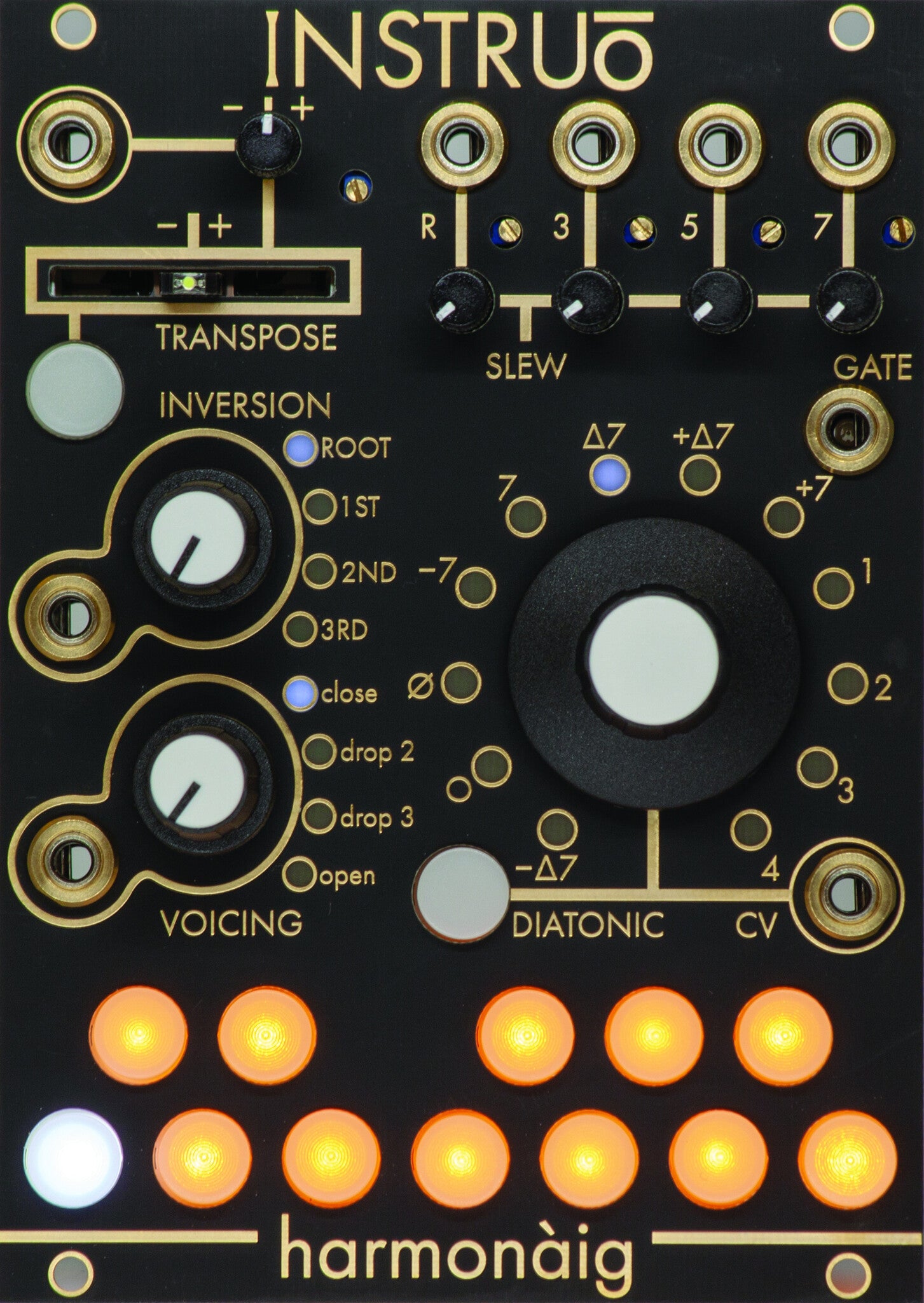
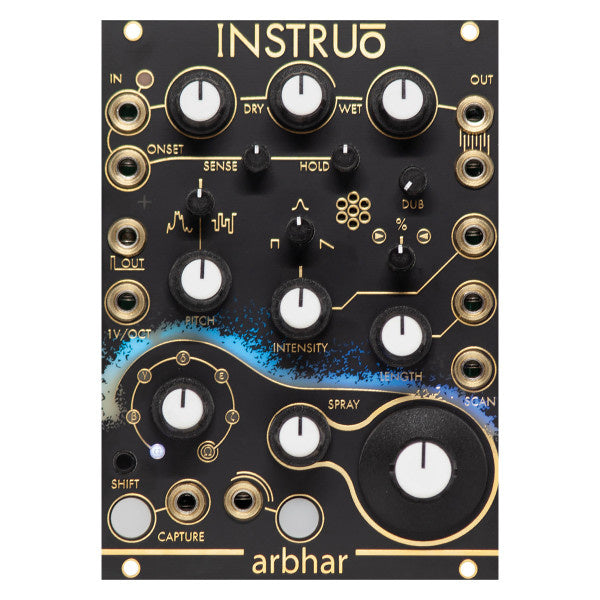
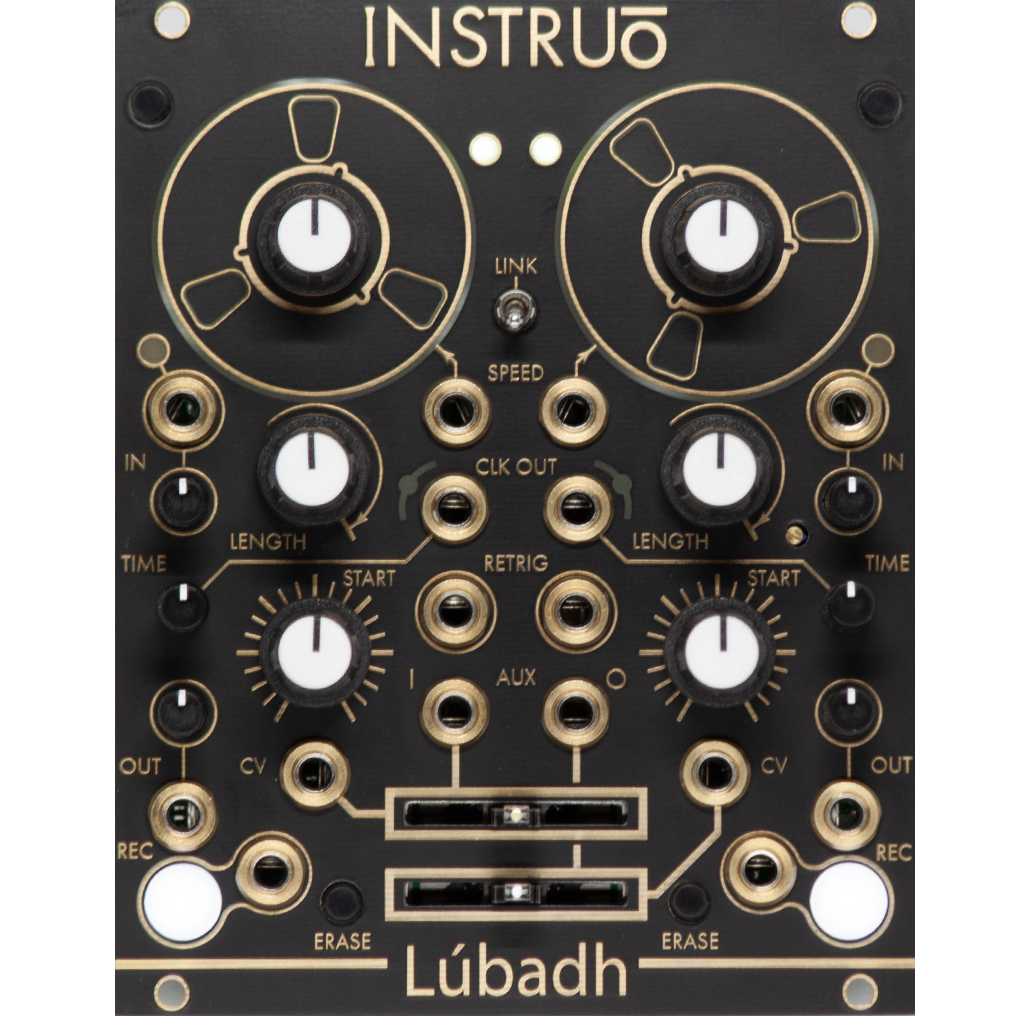
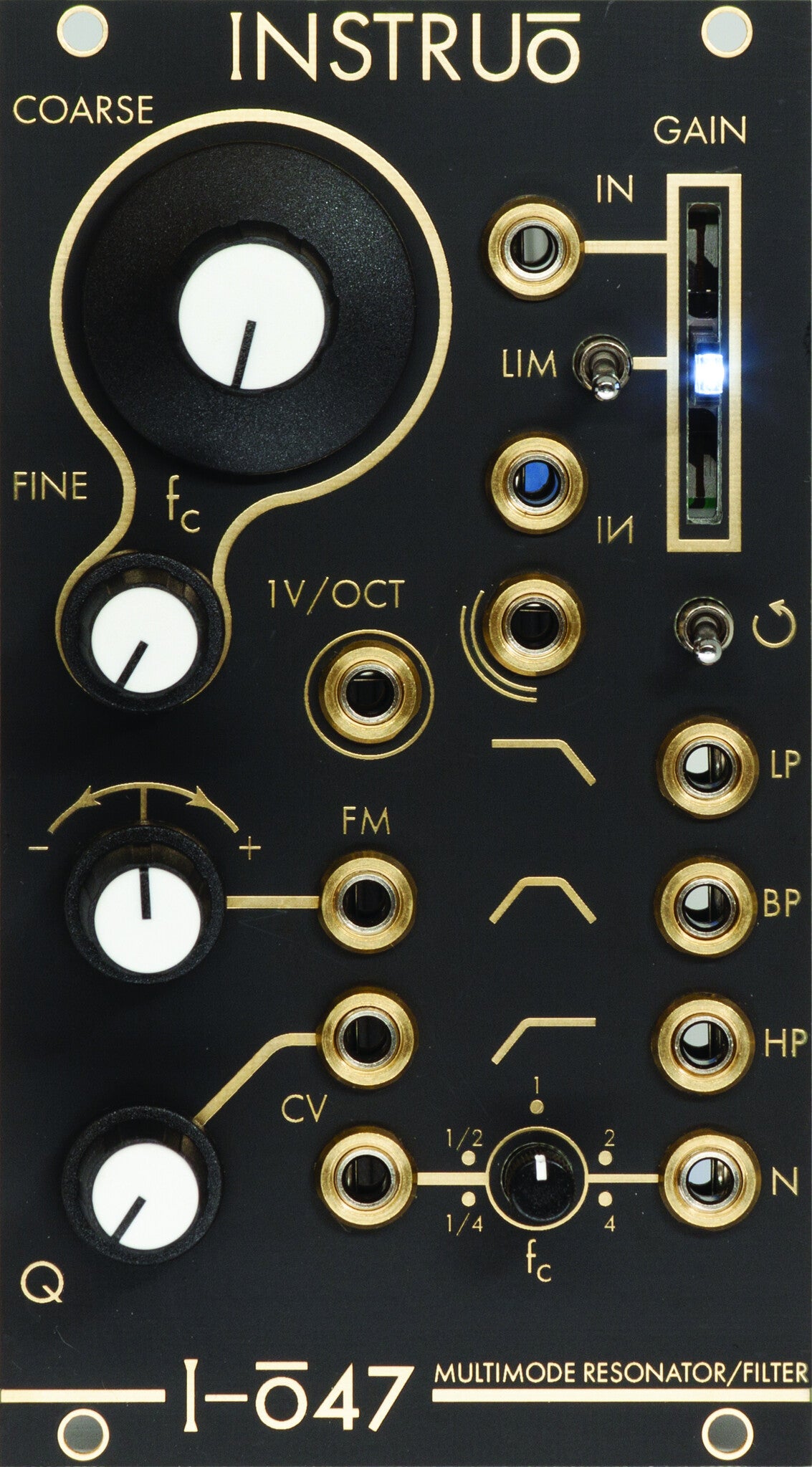
Instruo is loved for musical detail, distinctive design and thoughtful functionality. Ideal if you want modules that feel inspiring while staying practical in real-world patches.
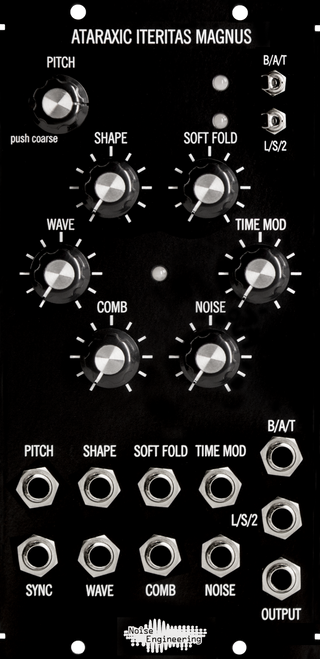
Noise Engineering is known for bold, modern sound and powerful voice/modulation tools. Perfect when you want a rack that cuts through a mix with energetic, aggressive timbres and fast workflow.
Expert advice & best practices
- Build for playability: leave space for performance control, macro modulation, and hands-on mixing.
- Utilities are essential: attenuators, offsets, mixers and logic expand your system dramatically.
- Plan power with headroom: stable power reduces noise and prevents unpredictable behavior.
- Document patches: quick photos or notes help you reproduce ideas and improve your workflow.
- Think about integration early: MIDI/CV and line I/O save time when recording and performing.
Common mistakes to avoid
- Buying too many “voice” modules and not enough VCA, envelopes and utilities.
- Underestimating power consumption and running a case too close to its limits.
- Ignoring module depth and case constraints, especially with skiffs.
- Forgetting gain staging between line-level gear and modular-level signals.
- Constantly rebuilding the system without learning each module deeply.
Recommended setups: beginner, intermediate, professional
Beginner: 1–2 sound sources, a filter or wavefolder, 2x VCA, 2x envelopes, 1–2 LFOs, clock/trigger utility, plus a small mixer/attenuator/offset module. Goal: learn signal flow and musical modulation.
Intermediate: add sequencing or random sources, more modulation tools, effects, logic and performance control. Goal: build variation, movement and playable structure.
Professional: specialized voices and texture generators, CV recording, complex modulation networks, multiple clock domains, high-quality I/O and deep external integration. Goal: a complete studio and stage instrument built for reliability and speed.
Shop modular with confidence
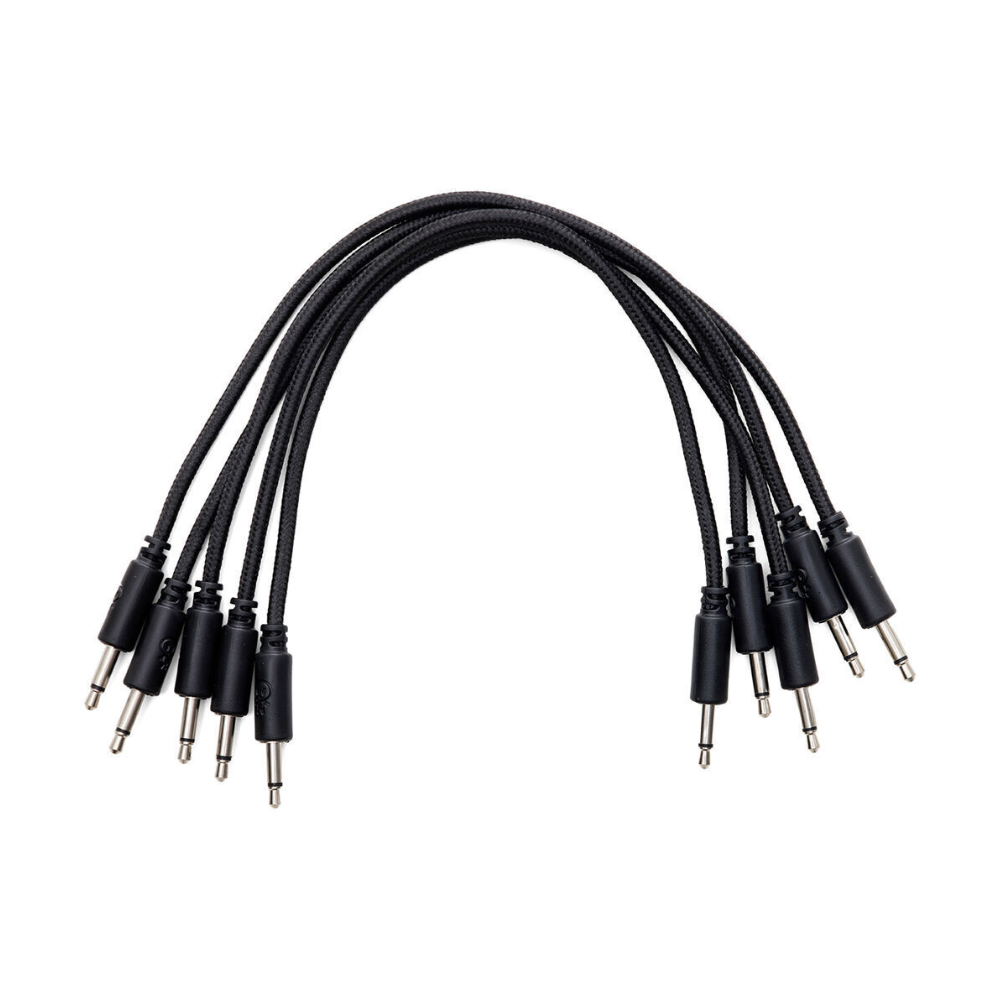
Building a modular system can be the most rewarding way to shape your sound — as long as the setup is planned well and built with compatible, reliable modules. We’re here to help you choose the right building blocks, match power and integration needs, and create a rack that fits your music. Expect fast EU shipping, professional service, and expert support from people who understand pro-audio workflows — from first patch cables to stage-ready cases.
FAQ: Modular Synths & Eurorack
What is Eurorack, and are all Eurorack modules compatible?
Eurorack is a widely adopted modular synth format with standardized module height and power connections. Most modules are compatible, but you should always check power requirements, physical depth, HP width, and signal level expectations.
How many modules do I need to start?
You can start with a compact, functional system of around 6–10 modules if it includes the essentials: sound source, VCA, envelope, modulation, clock/trigger, and utilities. Balance matters more than quantity.
Why do people say “you can never have enough VCAs”?
VCAs control level and modulation depth. They help you shape dynamics, manage CV, and keep patches musical instead of chaotic. VCAs also improve gain staging throughout a system.
Can I sync modular with a DAW like Ableton Live?
Yes. With MIDI-to-CV interfaces, clock solutions, or audio/CV interfaces, you can synchronize modular gear with your DAW. Decide whether the DAW or the modular system will be the master clock and plan reset/transport behavior.
Is modular good for techno and live performance?
Absolutely. Modular excels at real-time variation, evolving patterns and hands-on sound shaping. For live techno, prioritize stable clocking, quick mutes/variation control, and clear mixing structure.
How should I plan power for my Eurorack case?
Add up current draw on +12V, -12V and +5V rails and leave safe headroom (often 20–30% or more). Good power planning reduces noise and prevents unstable behavior, especially with digital modules.
Can I mix brands like Erica Synths, Make Noise and Intellijel in one system?
Yes — mixing brands is one of Eurorack’s biggest strengths. Combining Erica Synths, Make Noise, Intellijel, Doepfer, ALM, Instruo and Noise Engineering lets you build a system with a unique sound, workflow and performance feel.


